U.S. Court of Customs Appeals
Washington, D.C. · A specialized federal court.
The U.S. Court of Customs Appeals heard appeals from the Board of General Appraisers on customs matters from 1909 until 1929, when patent jurisdiction was added and it became the U.S. Court of Customs and Patent Appeals. Its judges were nominated by the president and confirmed by the Senate. This page lists every judge to serve on the court.
U.S. Court of Customs Appeals is a specialized federal court with no judges currently in active service; 10 judges have served on it.
Party letters here are the appointing president’s, never a judge’s own: D Democratic, R Republican, N pre-modern-party era (Federalist, Whig, and other early parties); “–” means no recorded party. Counts cover the court’s entire history.
Current judges
No currently serving judges on record.
Seats over time
Each band is one judgeship, from the court’s founding to today. A segment’s width is the holder’s tenure; its color is the appointing president’s party. Gaps are vacancies.
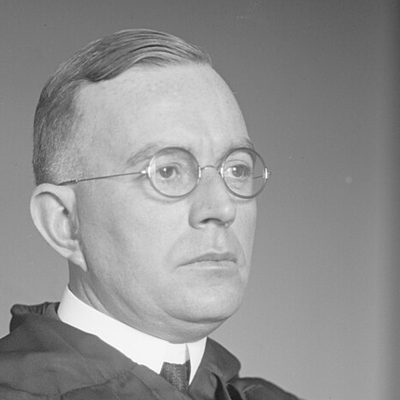
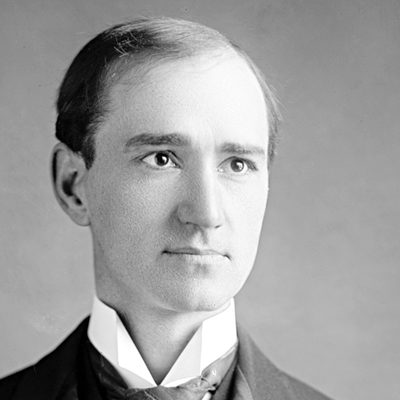
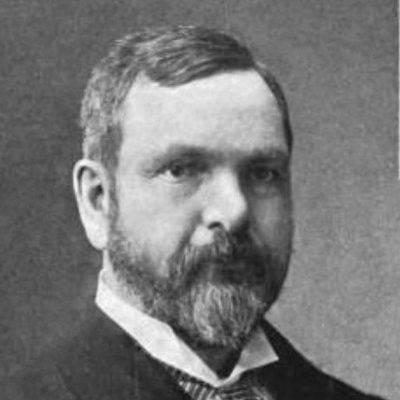
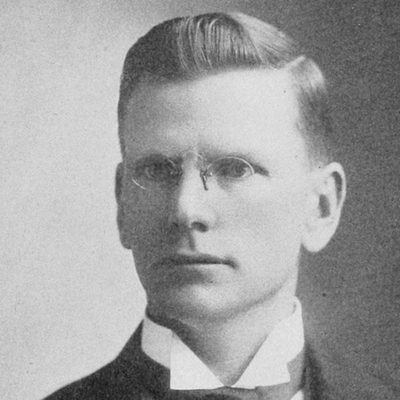
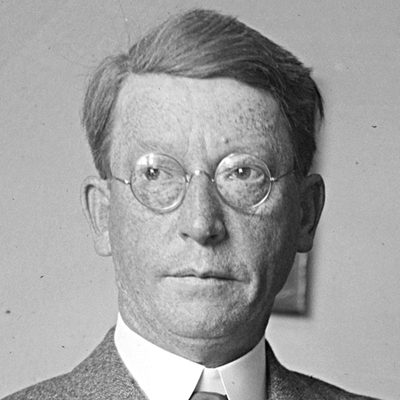
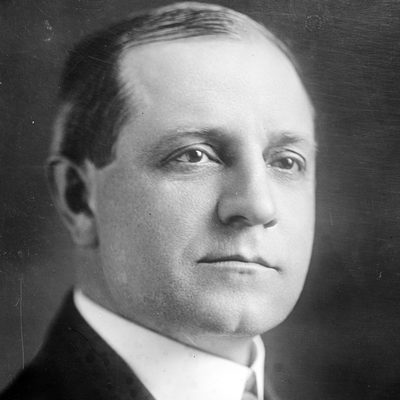
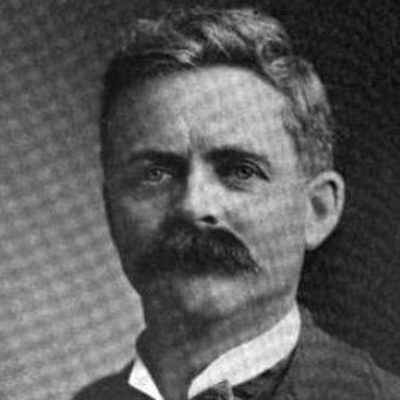
Former judges
| Judge | Appointed by | Years |
|---|---|---|
| Finis James Garrett | Coolidge (R) | 1929–1937 |
| William Johnson Graham | Coolidge (R) | 1924–1937 |
| Oscar Edward Bland | Harding (R) | 1923–1947 |
| Charles Sherrod Hatfield | Harding (R) | 1923–1950 |
| George Ewing Martin | Taft (R) | 1911–1924 |
| Orion Metcalf Barber | Taft (R) | 1910–1930 |
| Marion De Vries | Taft (R) | 1910–1922 |
| William Henry Hunt | Taft (R) | 1910–1911 |
| Robert Morris Montgomery | Taft (R) | 1910–1920 |
| James Francis Smith | Taft (R) | 1910–1928 |
How a judge gets here. Each judge is nominated by a president and confirmed by the U.S. Senate, then holds a numbered seat, for life, until they take senior status, or until they leave the bench. Open any judge to see who appointed them, how the Senate voted, and whom they succeeded, a chain that runs back to 1909. Read more on how federal judges are appointed.
Source: FJC Biographical Directory. Data as of 2026-09-28 (FJC). Verify against the primary source before relying.