U.S. District Court for the Eastern District of North Carolina
North Carolina · A federal trial court, where federal civil and criminal cases are first heard. Appeals go to the Fourth Circuit.
U.S. District Court for the Eastern District of North Carolina is a United States district court, a federal trial court where most federal civil and criminal cases are first heard. It lies within the Fourth Circuit, which reviews its decisions on appeal. This page lists every judge to serve on the court, current and former, with who appointed them and whom they succeeded.
U.S. District Court for the Eastern District of North Carolina has 4 active judges (4 appointed by Republican presidents), 1 on senior status. Chief Judge: Richard Ernest Myers II (since 2021).
E.D. North Carolina judges by appointing president
| Appointed by | Judges | Party | Judges in active service |
|---|---|---|---|
| G.W. Bush | 2 | Republican | Louise W. Flanagan, James C. Dever III |
| Trump | 1 | Republican | Richard Ernest Myers II · Chief Judge |
| Reagan | 1 | Republican | Terrence William Boyle |
Party letters here are the appointing president’s, never a judge’s own: D Democratic, R Republican, N pre-modern-party era (Federalist, Whig, and other early parties); “–” means no recorded party. Counts cover the court’s entire history.
Judges in active service
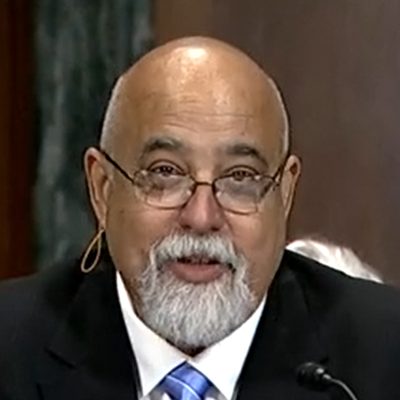

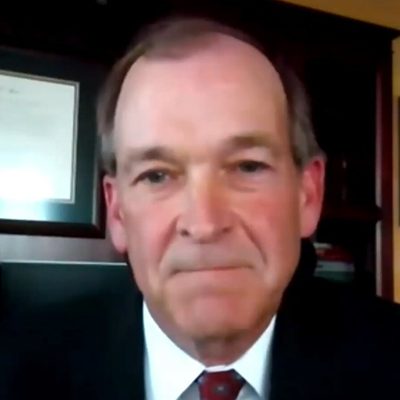
Senior judges
Still members of the court: senior judges have stepped back from a full docket but continue to hear cases.
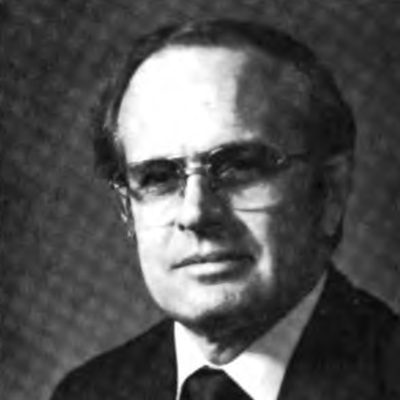
Seats over time
Each band is one judgeship, from the court’s founding to today. A segment’s width is the holder’s tenure; its color is the appointing president’s party. Gaps are vacancies.
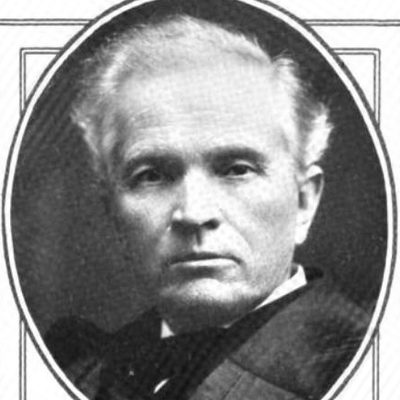
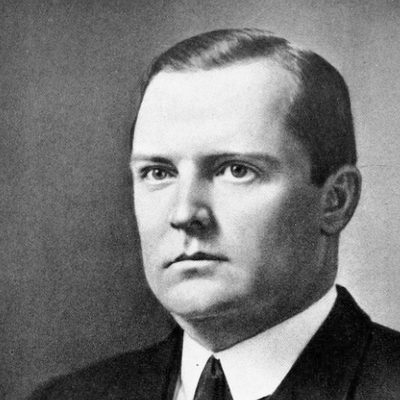
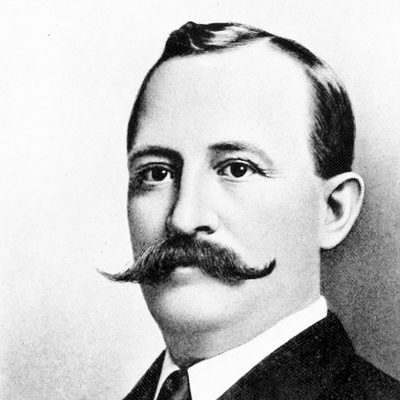
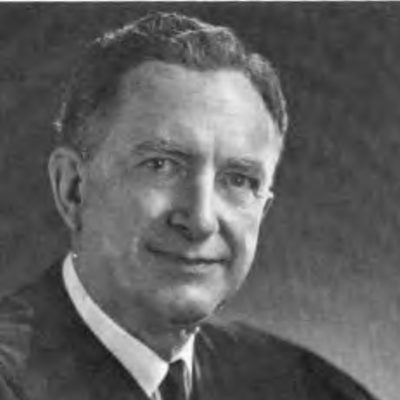
William Earl Britt (current) · James C. Dever III (current) · Terrence William Boyle (current) · Louise W. Flanagan (current) · Richard Ernest Myers II (current) · James Carroll Fox · Malcolm Jones Howard
Former judges
| Judge | Appointed by | Years |
|---|---|---|
| Malcolm Jones Howard | Reagan (R) | 1988–2025 |
| James Carroll Fox | Reagan (R) | 1982–2019 |
| Franklin Taylor Dupree Jr. | Nixon (R) | 1970–1995 |
| John Davis Larkins Jr. | Kennedy (D) | 1961–1990 |
| Algernon Lee Butler | Eisenhower (R) | 1959–1978 |
| Donnell Gilliam | Truman (D) | 1945–1960 |
| Isaac Melson Meekins | Coolidge (R) | 1925–1946 |
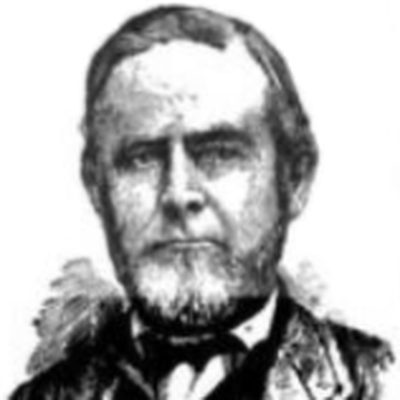
| Henry Groves Connor | Taft (R) | 1909–1924 |
| Thomas Richard Purnell | McKinley (R) | 1897–1908 |
| Augustus Sherrill Seymour | Arthur (R) | 1882–1897 |
| George Washington Brooks | Reassigned | 1872–1882 |
Magistrate judges
Appointed by the judges of this district to renewable 8-year terms, not nominated by the president or confirmed by the Senate. They handle pretrial matters, misdemeanors, and many civil cases by consent.
| Magistrate judge | Years |
|---|---|
| Brian Scott Meyers | 2020–present |
| Robert T. Numbers II | 2014–present |
| Kimberly A. Swank | 2013–present |
| Robert B. Jones Jr. | 2007–present |
| James E. Gates | 2006–present |
| David W Daniel | 2005–2012 |
| William A Webb | 1999–2014 |
Bankruptcy court
How a judge gets here. Each judge is nominated by a president and confirmed by the U.S. Senate, then holds a numbered seat, for life, until they take senior status, or until they leave the bench. Open any judge to see who appointed them, how the Senate voted, and whom they succeeded, a chain that runs back to 1872. This court is also served by magistrate judges, listed above, whom the district’s own judges appoint. Read more on how federal judges are appointed.
Source: FJC Biographical Directory and CourtListener / Free Law Project (bulk data). Data as of 2026-09-28 (FJC); magistrates 2026-03-31 (CourtListener bulk snapshot). Verify against the primary source before relying.